Beagle Embroidery Design Review for Business Merch
As an embroidery designer who has spent years digitizing and reviewing files for commercial use, I approach every new machine embroidery design with a critical eye. It is not just about whether the image looks cute on a screen; it is about how that design translates to fabric, how it holds up in production, and ultimately, how it serves a small business owner’s brand. Today, I am reviewing the Beagle embroidery file, a piece of dog art marketed toward beagle and dog lovers. This review focuses specifically on its viability for small business merchandise, branded patches, and professional apparel decoration.
First Impressions: Visual Personality and Brand Fit
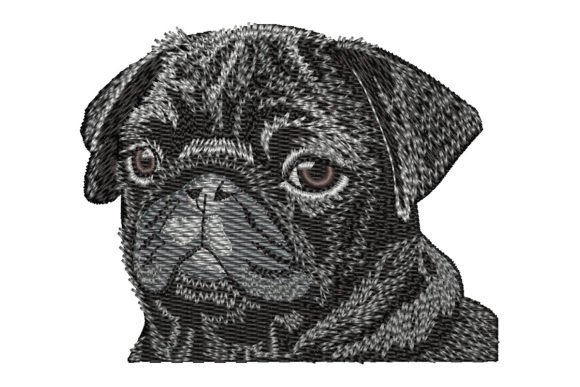
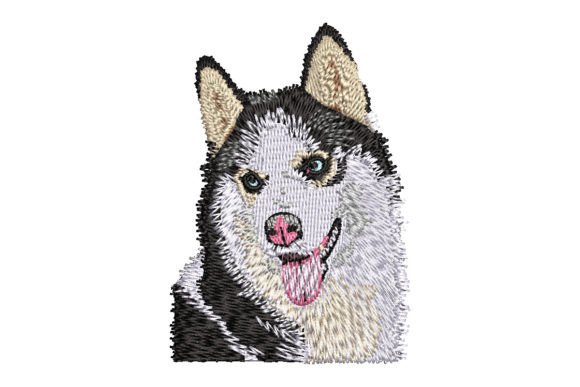
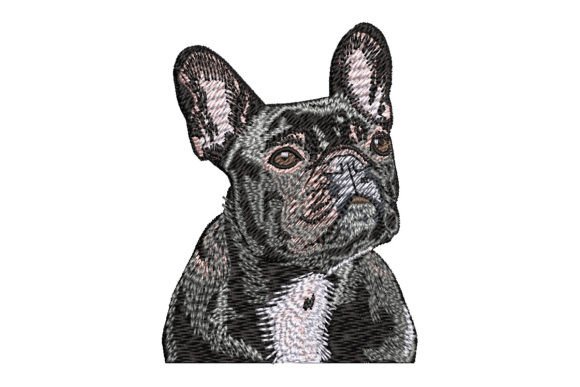
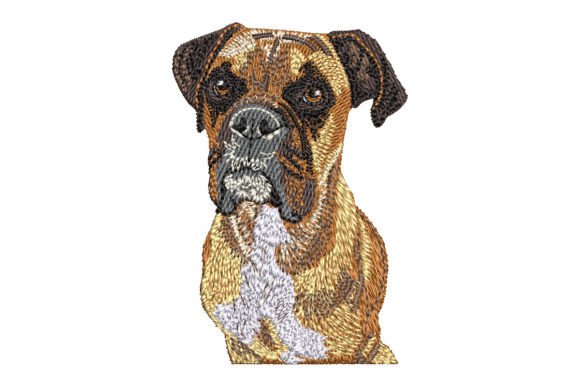
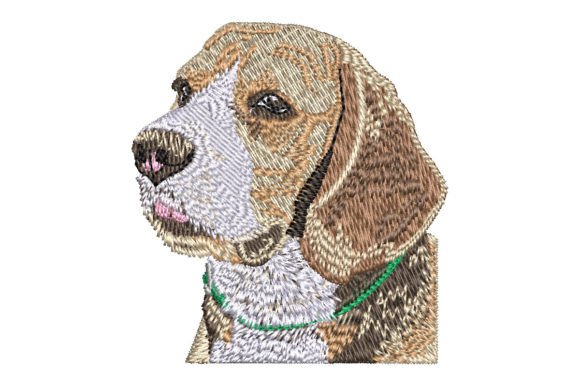
The first thing you notice about the Beagle design is its commitment to realism. Unlike cartoonish or overly simplified vector-style logos, this design aims to let the animal "come to life" through thread. For businesses in the pet industry, such as local groomers, veterinary clinics, or boutique pet supply shops, this realistic approach conveys a sense of warmth and authenticity. It feels friendly yet premium, striking a balance between handmade charm and professional presentation.
The description notes that the colors are based on ISACORD 40, which is a significant detail for professional embroiderers. ISACORD is a standard high-quality rayon thread, suggesting that the digitizer has considered color vibrancy and sheen. For a small business merch creator, this means the finished product will have a consistent, high-end look that appeals to customers who value quality. The design falls squarely into the "trendy" category by leveraging the enduring popularity of dogs in home decor and fashion, but it avoids looking generic by focusing on specific breed characteristics.
Real-World Application for Small Businesses
When evaluating a digital embroidery file for commercial use, I always ask: where does this live on a product? The Beagle design is versatile, but it shines brightest in specific applications. Here is how I envision this design performing in a real-world business scenario:
- Embroidered Patches: This is perhaps the strongest use case. A realistic beagle head or full-body silhouette works exceptionally well as a standalone patch. These can be sold as iron-on accessories or sewn onto jackets, creating a high-margin add-on product for Etsy sellers and craft businesses.
- Custom Apparel and Uniforms: For dog walkers, pet sitters, or mobile groomers, this design can serve as a chest logo accent on work shirts. It adds a personal touch that builds trust with clients who want to know their pets are in caring hands.
- Apron Embroidery: Bakeries or cafés with a pet-friendly theme could use this on staff aprons. The realistic style fits well with rustic or artisanal brand identities, enhancing the visual consistency of the staff uniform.
- Tote Bag Design: Canvas tote bags are a staple for handmade brands. Placing the Beagle design on the front of a sturdy cotton tote creates an attractive, functional item that doubles as walking advertising for your shop.
- Cap Embroidery: While possible, caps require careful consideration due to the curved surface. If the design is scaled correctly, it can work as a side-panel detail or a front-center feature for pet-themed events.
Technical Considerations and Production Challenges
While the aesthetic appeal is strong, technical execution is where many designs fail. As a designer, I must highlight areas where the Beagle file requires careful handling. Realistic dog art often involves complex shading and fine details. In embroidery, this translates to varying stitch density and potential issues with small elements.
If you plan to use this design on small patches, you must check the minimum recommended size. Fine details in the fur or facial features may become lost or cause thread breaks if the design is scaled down too far. Always request or check the specified hoop size limits before purchasing. Additionally, realistic designs often rely on subtle color gradients. Ensure your machine can handle the number of color stops included in the file, as frequent thread changes can increase production time and labor costs.
Fabric texture also plays a crucial role. On smooth fabrics like polyester twill or high-count cotton, the realistic details will pop. However, on textured fabrics like fleece or heavy canvas, some finer stitches may sink in or lose definition. I recommend testing the design on your actual stock materials before committing to a large production run. Using the correct stabilizer is non-negotiable here; a cut-away stabilizer is likely necessary to support the density of a realistic animal portrait and prevent puckering after washing.
Enhancing Brand Identity and Customer Trust
Incorporating a high-quality design like Beagle into your product line does more than just decorate an item; it strengthens your brand identity. For handmade product sellers, the perceived value of an embroidered item is significantly higher than a printed one. The texture and depth of the threads signal craftsmanship and attention to detail.
When customers see a well-executed embroidered beagle on a tote bag or patch, they associate that quality with your brand. This builds recognition and trust. It shows that you care about the finished product, not just the quick sale. Furthermore, using a design that resonates emotionally—such as a beloved dog breed—creates an immediate connection with your target audience. This emotional engagement is key to driving sales in competitive markets like Etsy or local craft fairs.
Practical Designer Notes for Commercial Use
Before you load this file into your machine for a client order or inventory build, follow these practical steps to ensure success:
- Test in Black and White First: Run a test stitch-out using only black thread. This helps you evaluate the structure and density of the design without the distraction of color. It reveals any potential registration issues or overlapping stitches.
- Check Thread Color Contrast: Since the file uses ISACORD 40 colors, verify that your thread inventory matches or closely approximates these shades. Poor color matching can make a realistic design look muddy or flat.
- Create a Printable Mockup: Before stitching, create a digital mockup showing the design on your intended product (e.g., a cap or apron). This helps visualize scale and placement, allowing for client approval or internal decision-making without wasting materials.
- Confirm Commercial Licensing: Always verify the license terms associated with the embroidery file. Ensure you have the right to use the design for commercial purposes, especially if you are selling the finished items or the patches themselves.
- Inspect Spacing and Density: Look closely at the digitizing. Are there long jumps that need trimming? Is the underlay sufficient for the topstitching? A well-digitized file will minimize trim time and maximize durability.
Final Verdict for Embroidery Professionals
The Beagle embroidery design is a strong contender for businesses targeting dog lovers and pet owners. Its realistic style offers a premium feel that elevates standard merchandise. However, its complexity demands respect in production. It is not a "set it and forget it" design; it requires proper hooping, stabilizing, and thread management to achieve the best results.
For commercial embroidery projects, this design adds significant value when used on appropriate items like patches, tote bags, and high-quality apparel. By treating it as a serious design asset and following rigorous testing protocols, small business owners can create standout products that enhance their brand and delight their customers. Remember, the goal is to let the animal come to life, and with the right technical approach, this file can help you do exactly that.