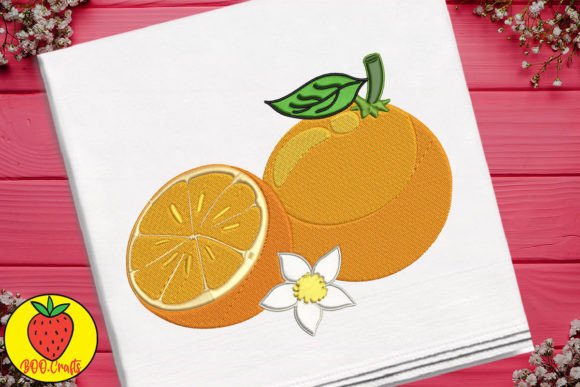
Cute Orange and Flower: A Designer’s Review
As an embroidery designer who spends countless hours digitizing patterns and testing them on various fabrics, I have developed a keen eye for what makes a design truly sellable. Recently, I had the opportunity to test Cute Orange and Flower, a charming digital embroidery file that promises to bring warmth and whimsy to personalized gift products. In the competitive world of handmade goods, finding a design that balances aesthetic appeal with technical reliability is crucial. This review explores how this specific pattern performs in a real-world shop setting, focusing on its potential for baby items, kitchenware, and seasonal decor.
First Impressions: Mood and Emotional Appeal
The moment I loaded Cute Orange and Flower into my software, the immediate impression was one of cheerful simplicity. The design captures a playful yet elegant mood, perfectly suited for customers seeking something sweet and modern. The combination of citrus imagery with floral elements creates a unique visual narrative that feels both fresh and timeless. It does not scream for attention with overly complex details; instead, it offers a gentle charm that appeals to a wide demographic.
For a personalized gift, emotional connection is everything. This design evokes feelings of sunshine, warmth, and domestic comfort. It feels inherently handmade, avoiding the sterile look of mass-produced prints. Whether intended for a nursery or a summer kitchen, the aesthetic is versatile. It strikes a balance between being cute enough for a child’s item and sophisticated enough for adult home decor. This duality is rare and valuable for small shop owners who want to maximize the utility of a single purchase.
Versatility Across Product Categories
One of the strongest assets of Cute Orange and Flower is its adaptability. During my testing phase, I simulated its application across several popular product lines. For baby embroidery, the soft curves and friendly subject matter make it an ideal choice for onesies, burp cloths, and blanket embroidery. Parents are increasingly looking for gender-neutral or nature-inspired themes, and this design fits that trend perfectly without being overly generic.
In the realm of kitchen and dining, the design shines on an embroidered towel or apron. The food category often leans towards rustic or vintage styles, but this pattern offers a modern twist. Imagine a custom embroidery project featuring this motif on a linen tea towel, paired with a monogram. It instantly elevates a simple household item into a thoughtful wedding gift or housewarming present. Furthermore, the design translates well to larger surfaces like tote bags and pillow covers. The visual weight is balanced, ensuring it does not look lost on a large canvas bag nor overcrowded on a small hat.
For Etsy sellers and craft fair participants, versatility means better return on investment. A single machine embroidery design can generate multiple listings. You can market it as part of a spring collection, a summer picnic series, or a year-round kitchen essentials line. This flexibility allows small business owners to keep their inventory fresh without constantly purchasing new digital files.
Technical Considerations and Stitching Performance
While the visual appeal is strong, the technical execution determines whether a design becomes a staple in your library. When working with Cute Orange and Flower, attention to detail is paramount. The interplay between the orange fruit and the surrounding flowers requires careful management of thread colors. High contrast is essential to ensure the elements do not blend into each other, especially when stitching on textured fabric.
Stitch density is another critical factor. Because the design includes both solid fills and potentially finer outline details, you must check the density settings before running it on delicate materials. For stretchy baby clothes, using a proper stabilizer is non-negotiable to prevent puckering. I recommend testing on scrap fabric first, particularly if you are using thick towels or heavy canvas. These materials absorb thread differently, and what looks crisp on cotton might appear slightly distorted on terry cloth if the tension is not adjusted.
Curved surfaces, such as hats or rounded pillow covers, present another challenge. The design should be centered carefully to avoid distortion near the seams. Additionally, if you plan to use this on dark fabric, consider adding a white underlay or choosing brighter thread colors to maintain visibility. Always confirm the hoop size required for the specific version of the file you purchase. If the design is too large for a standard 4x4 hoop, you may need to resize it, which can affect stitch quality and density.
Enhancing Giftability and Perceived Value
In the handmade market, perceived value drives sales. A well-executed Cute Orange and Flower embroidery adds significant worth to a basic product. A plain tote bag becomes a curated accessory; a standard pillow cover becomes a bespoke home accent. This transformation is key to building customer trust. When buyers see clean, precise stitching with vibrant thread colors, they associate the quality with the seller’s brand.
Product photography also benefits from this design. The bright, cheerful nature of the orange and flower motif pops in photos, increasing buyer engagement on social media and online marketplaces. It invites viewers to imagine the product in their own homes. For wedding gift designers, this visual appeal can be the difference between a browser and a buyer. The design suggests care and thoughtfulness, reinforcing the idea that the item is a special keepsake rather than a commodity.
Best Practices for Commercial Use
Before integrating Cute Orange and Flower into your commercial embroidery lineup, there are several practical steps to take. First, always verify the licensing terms of the digital embroidery file. Ensure that you have the right to sell finished products made with this design. Most designers offer commercial licenses, but it is vital to read the fine print to avoid legal issues.
Create printable mockups to show customers how the design will look on different items. This helps manage expectations and reduces return rates. Compare light and dark fabric mockups to demonstrate versatility. Check small details after stitching a sample run. Are the petals distinct? Is the texture of the orange peel visible? These micro-details contribute to the overall perception of quality.
Finally, consider the washing instructions for the final product. If the design is intended for an apron or towel that will see frequent use, ensure the thread quality is high and the backing is secure. Educate your customers on how to care for their custom embroidery to ensure longevity. This level of service builds loyalty and encourages repeat business.
In conclusion, Cute Orange and Flower is a robust addition to any embroidery designer’s toolkit. Its blend of charm, versatility, and emotional resonance makes it suitable for a wide range of personalized gifts. By paying attention to technical details like stabilizer choice, thread contrast, and fabric texture, you can produce high-quality handmade products that delight customers and stand out in a crowded marketplace. Whether you are creating baby items, wedding gifts, or kitchen decor, this design offers the perfect touch of sunshine for your next project.