Peacock Feather: A Designer’s Review for Business Merch
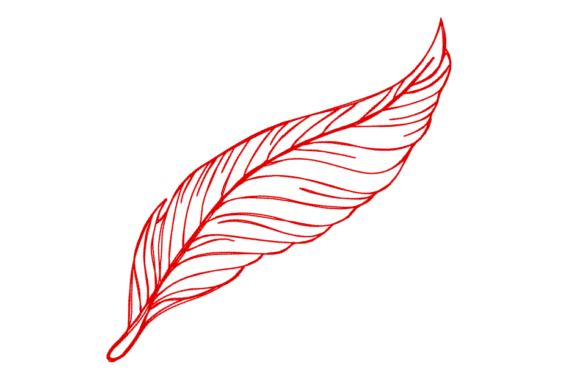
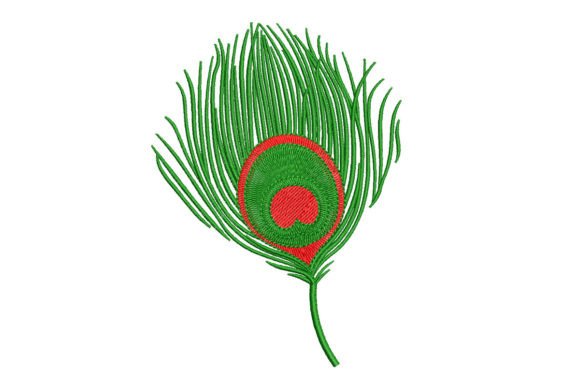
As an embroidery designer who has spent years digitizing and testing files for commercial use, I approach every new machine embroidery design with a critical eye. It is not just about whether the image looks pretty on a screen; it is about how that design translates into thread, how it holds up on fabric, and ultimately, how it serves a business owner’s brand. Today, I am reviewing the Peacock Feather design, a piece categorized under Birds, to determine its viability for small business merchandise, branded patches, and custom apparel.
The first impression of the Peacock Feather is one of elegant versatility. Unlike cartoonish or overly rustic motifs, this design carries a premium, decorative feel that leans toward the modern classic. For boutique owners, creative studios, or high-end bakeries, this aesthetic is crucial. It suggests sophistication without being stiff. When I visualize this as part of a brand identity, I see it working exceptionally well for businesses that want to convey creativity, beauty, and attention to detail. It is not merely a decoration; it is a statement piece that can elevate a simple garment into a desirable product.
Real-World Applications for Small Business Merch
The true test of any digital embroidery file is its adaptability across different products. The product description notes that this design is suitable for t-shirts, hoodies, caps, backpacks, and home decor. From a production standpoint, this breadth of application is promising, but let us break down where this design truly shines in a commercial setting.
For apparel decorators and handmade brands, the Peacock Feather is an ideal candidate for an embroidered patch. Patches are currently trending in small business merch because they offer a low-risk way for customers to try a brand. A feather motif works beautifully as a standalone iron-on or sew-on patch. Its organic shape allows for creative bordering, whether you choose a merrowed edge for a clean look or a satin stitch border for a more traditional finish. This makes it perfect for Etsy sellers looking to create quick-turnaround accessories.
In the realm of staff uniforms, consider the potential for apron embroidery. A café or florist using this design on the chest pocket area of a canvas apron creates an immediate visual association with nature and artistry. The feather acts as a subtle logo accent that feels more personal than a standard corporate emblem. Similarly, for cap embroidery, the curved surface of a baseball hat can accommodate the sweeping lines of a feather if the digitizing respects the curve. However, this requires careful placement to ensure the design does not distort when the cap is worn.
Tote bags are another strong contender. A tote bag design featuring a large-scale version of this feather can turn a functional item into a fashion accessory. Because feathers have natural flow, they look dynamic on the flat, often textured surface of cotton canvas. This adds perceived value to the finished product, allowing businesses to charge a premium for what is essentially a simple bag with a high-quality embellishment.
Navigating Technical Challenges in Production
While the aesthetic appeal is high, experienced embroiderers know that beauty often comes with technical caveats. When integrating the Peacock Feather into your workflow, there are specific areas where caution is required. The primary concern with feather designs is often the stitch density and the intricacy of the barbs.
If you are planning to use this on small patch sizes or as a tiny chest logo, you must verify the scaling limits. Detailed outlines can become muddy if reduced too much. I always recommend running a test stitch-out on a scrap piece of the exact fabric you intend to use. This is non-negotiable for professional results. Check if the fine details of the feather hold up or if they merge into a solid block of thread. If the design loses definition at smaller sizes, it may be better suited for larger applications like backpack panels or home decor pillows rather than delicate sleeve details.
Fabric texture also plays a significant role. On smooth fabrics like poly-cotton blends, the design will likely pop with clarity. However, on textured fabrics like heavy wool or rough linen, the intricate parts of the feather might get lost. In these cases, adjusting the thread colors to create higher contrast is essential. For dark uniforms, ensure you are using bright or metallic threads to make the feather stand out, or consider using a white underlay to prevent the garment color from dulling the vibrancy of the design.
Another critical factor is the hoop size. Ensure that the design fits comfortably within your machine’s hoop without requiring excessive re-hooping, which can lead to misalignment. Furthermore, the choice of stabilizer cannot be overlooked. Feathers often require stable backing to prevent puckering, especially if the design has a high stitch count. Always match your stabilizer weight to the fabric weight to maintain the integrity of the custom apparel.
Enhancing Brand Identity and Customer Trust
Beyond the technical execution, we must consider how the Peacock Feather impacts brand perception. In today’s market, customers are drawn to brands that feel authentic and handmade. Using a high-quality embroidery file like this signals to the buyer that you care about quality. It moves your product away from mass-produced, printed generics and into the realm of crafted goods.
Consistency is key to building trust. If you use this feather as a central element in your design assets, ensure it appears consistently across all touchpoints. Use it on your packaging inserts, as a watermark on your printable mockup images, and as a physical tag on your garments. This visual consistency reinforces recognition. When a customer sees that same elegant feather on their tote bag, their receipt, and your social media, it builds a cohesive narrative around your brand.
Moreover, this design can serve as a powerful tool for customer engagement. Offer it as a limited-edition add-on or a gift with purchase. The tactile nature of embroidery invites touch, creating a sensory connection between the customer and your brand. This emotional connection is what drives repeat business and word-of-mouth referrals for commercial embroidery projects.
Practical Notes for the Embroidery Professional
Before you launch this design into your production line, here are my final practical recommendations. First, test the design in black and white. If it lacks contrast in monochrome, it may rely too heavily on color gradients that are difficult to replicate with thread. Second, confirm the commercial licensing terms. The description mentions it is a high-quality design for various uses, but always double-check the license agreement to ensure you are covered for selling finished goods.
Create a professional mockup for client approval before stitching the final piece. Show them how the Peacock Feather looks on a cap versus a tote bag. This manages expectations and reduces the risk of dissatisfaction. Finally, keep detailed records of your thread charts and stabilizer choices for this specific design. This ensures that every time you run this job, whether it is for a single custom order or a bulk batch for a local business, the quality remains consistent.
In conclusion, the Peacock Feather is a strong contender for businesses looking to add a touch of elegance to their merchandise. With careful attention to technical details and strategic placement, it can become a signature element of your brand’s visual language.