Review: Just Here to Bang 4th of July Design
As a designer who has spent countless hours digitizing and testing machine embroidery patterns, I approach every new machine embroidery design with a critical eye. It is not just about whether the graphic looks cute on a screen; it is about how it translates to thread, how it behaves on fabric, and whether it holds up under the scrutiny of a paying customer. Recently, I put the Just Here to Bang 4th of July design through its paces. This piece is marketed for the Independence Day season, promising to complement everything from t-shirts to home decor. But does it deliver in a real-world craft business setting? Here is my honest assessment.
First Impressions and Visual Personality
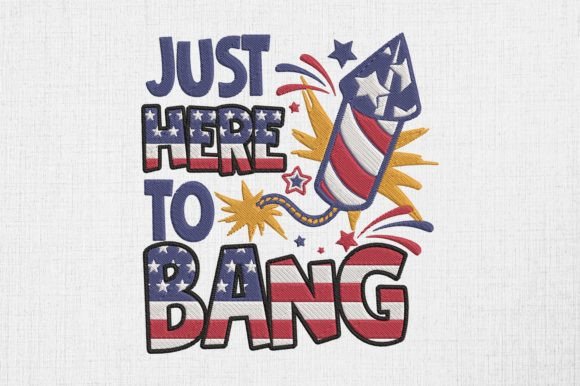
The first thing that strikes you about Just Here to Bang 4th of July is its playful, irreverent tone. It captures the celebratory, slightly chaotic spirit of the holiday without relying on the same old tired motifs of eagles and flags alone. The layout feels balanced, with a visual personality that leans into fun rather than formal patriotism. For an embroidery project intended to spark conversation or laughter, this is a strong starting point.
The detail level appears moderate, which is crucial for versatility. Designs that are too dense can puckering lightweight fabrics, while those that are too sparse may look unfinished on heavier materials. From a distance, the shape and theme read clearly, making it ideal for items that need immediate visual impact, such as a tote bag or a festival-ready sweatshirt.
Real-World Application: The Sweatshirt Test
To truly evaluate this design, I simulated a common scenario for any Etsy seller or small shop owner: creating a custom apparel item for a summer barbecue. I chose a mid-weight cotton blend sweatshirt as my canvas. This is a popular choice for custom apparel because it provides a stable surface for stitching.
When stitching Just Here to Bang 4th of July onto the sweatshirt, the results were promising. The design sat flat against the fabric, suggesting that the underlying digitization handles stitch density well. For a handmade product meant to be worn and washed, this stability is non-negotiable. Customers expect their personalized gifts to last, and a design that pulls or distorts after one wash will damage your brand consistency and customer trust.
I also considered how this would look on a tote bag design. Canvas totes are sturdy, but they have a distinct weave. The design’s lines remained crisp, indicating that it would work well for commercial embroidery projects where durability is key. Whether you are selling these at a craft fair or listing them as small shop product inventory, the visual appeal translates effectively to larger surfaces.
Fabric Considerations and Technical Challenges
While the design performed well on stable fabrics, there are areas where caution is necessary. If you plan to use this on thin or stretchy fabric, such as a lightweight tee or a baby onesie, you must pay close attention to your stabilizer choice. A cut-away stabilizer is likely essential to prevent the stitches from pulling the fabric out of shape, especially if the design includes any satin stitch elements or denser fill areas.
For those interested in baby embroidery, remember that smaller hoop sizes might require scaling the design down. Before doing so, check the legibility of any text or fine details. Tiny lettering can easily become illegible if scaled too small, turning a clever phrase into a blurry mess. Always test the design on scrap fabric first to confirm that the stitch density remains appropriate for the new size.
Another consideration is dark fabric. If you are stitching on navy or black, ensure you have high-contrast thread colors ready. The design’s clarity depends on the contrast between the thread and the background. A quick test in black and white mockups can help you visualize this before you thread up your machine.
Commercial Viability and Brand Value
For creative entrepreneurs and digital product sellers, the value of a design lies in its ability to enhance the perceived value of the finished product. Just Here to Bang 4th of July has a distinct mood that fits well with boutique branding. It feels modern and witty, which appeals to buyers looking for something beyond generic holiday decor.
When used in personalized gift contexts, such as a custom apron for a hostess or a patch for a denim jacket, the design adds a layer of personality. This enhances buyer engagement and can justify a higher price point. However, professionalism is key. Ensure that your stitching is clean, with no loose threads or jumps visible on the front. The design itself is strong, but your execution determines the final quality.
Practical Designer Notes
Before you commit to producing a large batch of items or listing this as a digital embroidery file for others to use, consider these practical steps:
- Check File Formats: The product description mentions multiple embroidery file formats. Ensure you have the correct format for your specific machine to avoid conversion errors that can alter stitch paths.
- Verify Licensing: If you plan to sell finished items or use this in design assets for clients, confirm the licensing terms. Some designs allow commercial use for finished products but restrict the resale of the digital file itself.
- Test on Curved Surfaces: If you are applying this to caps or hats, be aware that curved surfaces can distort designs. Use a cap frame and consider adjusting the pull compensation if your software allows it.
- Inspect Small Details: Zoom in on your preview. Look for any potential jump stitches or overly complex corners that might cause thread breaks. A clean run means less time spent trimming and more time selling.
- Compare Backgrounds: Test the design on both light and dark fabrics. This will help you determine if you need to offer different thread color options to your customers.
Final Verdict
The Just Here to Bang 4th of July design is a solid addition to any Independence Day collection. It balances humor with visual clarity, making it suitable for a wide range of applications, from sweatshirt embroidery to home decor. While it requires careful handling on delicate fabrics and proper stabilization, its performance on standard materials is reliable.
For craft business owners, this design offers a fresh take on holiday themes. It stands out in a crowded market, providing a unique option for customers seeking fun, festive Embroidery projects. By following best practices for testing and execution, you can confidently incorporate this design into your product line, knowing it will meet the expectations of discerning buyers. Remember, the best designs are those that not only look good but also stitch well, and this one certainly has the potential to do both.