Deer Outline: A Seasonal Embroidery Review
As an embroidery designer who spends countless hours digitizing and testing patterns for the holiday rush, I approach every new machine embroidery design with a critical eye. It is not just about whether the pattern looks good on screen; it is about how it performs on fabric, how it appeals to the end consumer, and whether it can carry the weight of a seasonal product line. Recently, I reviewed the Deer Outline design, a piece that sits comfortably within the popular Woodland Animals category. After putting it through its paces on various textiles, I am ready to share my thoughts on how this versatile embroidery file can elevate your holiday inventory.
First Impressions: Minimalist Charm Meets Rustic Warmth
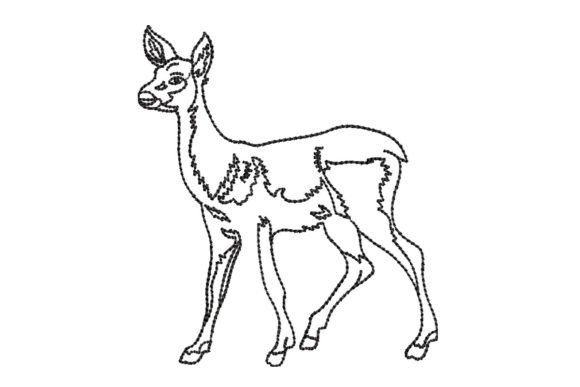
The first thing that strikes you about Deer Outline is its elegant simplicity. In a market often saturated with overly complex, high-density designs, this pattern offers a breath of fresh air. The use of Tatami Satin and Run stitches creates a clean, modern silhouette that feels both nostalgic and contemporary. It does not scream for attention; instead, it invites a closer look. This subtle approach makes it incredibly versatile for seasonal embroidery projects where the goal is often to evoke a sense of cozy sophistication rather than loud festivity.
The emotional tone of the design is undeniably rustic yet refined. It captures the quiet beauty of winter woods, making it perfect for customers seeking a connection to nature during the busy holiday season. Whether you are aiming for a premium aesthetic or a playful, cute vibe, the outline style allows the thread color and fabric choice to do the heavy lifting. This flexibility is a major asset for any Etsy seller or small business owner looking to create a cohesive collection without being boxed into a single style.
Strategic Applications for Holiday Product Lines
When planning a seasonal shop collection, versatility is key. Deer Outline shines in its ability to adapt to a wide range of products. Here is how I envision this design performing in real-world selling situations:
- Sweatshirt Embroidery: Placed on the left chest of a heather grey or forest green crewneck, this design creates an instant bestseller. The low stitch density ensures the garment remains soft and comfortable, a crucial factor for apparel that customers want to wear all season long.
- Kitchen Towel Embroidery: For home decor enthusiasts, stitching this onto linen or waffle-weave towels adds a touch of farmhouse charm. It works beautifully as part of a gift set, perhaps paired with wooden utensils or artisanal soaps.
- Tote Bag Design: Canvas totes are staple items for holiday shopping. The bold lines of the deer stand out clearly against natural canvas, making it an eye-catching accessory for carrying gifts or groceries.
- Pillow Cover Accents: A single deer outline centered on a velvet or faux fur pillow cover can transform a living room into a winter retreat. It is subtle enough to remain in decor year-round but festive enough for December sales.
- Embroidered Patch: Creating iron-on or sew-on patches allows customers to customize their own jackets or bags. This expands your reach to DIYers who love personalization.
For handmade gift creators, this design is a goldmine. It lends itself perfectly to personalized items. Imagine adding a family name in a complementary script font beneath the deer, or using it on matching outfits for a family photo shoot. These personalized gift options significantly increase the perceived value and allow for higher price points.
Navigating Technical Challenges and Fabric Choices
While Deer Outline is user-friendly, there are specific scenarios where caution is required. As a professional, I always advise checking the specific details of the digital embroidery file before starting a large batch. Since the description notes it comes with multiple file formats, ensure you select the correct hoop size for your project. Using a hoop that is too large for a small item like a baby onesie can lead to positioning errors.
Stitch density is another critical factor. Because this design utilizes Run and Satin stitches, it is generally lighter than full-fill designs. However, when working with stretchy garments like knit caps or thin t-shirts, proper stabilization is non-negotiable. I recommend using a cut-away stabilizer for apparel that will undergo repeated washing to prevent puckering. For woven fabrics like kitchen towels, a tear-away stabilizer may suffice, but always test first.
Thread selection can make or break the final look. On dark fabrics, such as navy or black sweatshirts, consider using metallic or high-sheen rayon threads to make the outline pop. Conversely, on light fabrics, matte cotton threads can provide a subtle, understated elegance. Be cautious with very thick towels; the needle penetration must be precise to avoid skipping stitches. Always run a test stitch-out on a scrap piece of your actual production fabric to check for tension issues and visual clarity.
Boosting Seasonal Appeal and Brand Consistency
In the competitive landscape of commercial embroidery, visual recognition is vital. Deer Outline helps build a strong brand identity for shops focused on woodland or rustic themes. Its consistent style allows for easy integration into social media previews and printable mockup graphics. When customers see a cohesive feed featuring this design on various products, it builds trust and encourages larger cart sizes.
During the holiday shopping period, buyers are often overwhelmed by choices. A clean, recognizable design like this cuts through the noise. It appeals to those looking for timeless pieces rather than trendy items that will feel outdated in January. This longevity enhances customer satisfaction and reduces return rates. Furthermore, the design’s adaptability means you can market it across different niches—from baby showers to Christmas decor—maximizing your return on investment for the file purchase.
Practical Designer Notes for Success
To get the most out of Deer Outline, keep these practical tips in mind:
- Test Thread Colors: Always stitch a sample on both light and dark fabrics to see how the outline interacts with different backgrounds.
- Check Licensing: Before selling any finished product, confirm the commercial licensing terms provided with the file. Most designers allow physical sales but restrict digital redistribution.
- Create Realistic Mockups: Use high-quality photos of your stitched samples to create listings. Show the texture of the thread and the drape of the fabric.
- Plan Color Palettes: Develop coordinated color schemes for your collections. Earth tones, deep reds, and icy blues work exceptionally well with this woodland motif.
- Mind the Details: Review the small details after stitching. Ensure the start and end points are tidy, especially if the design will be visible on sheer or lightweight fabrics.
In conclusion, Deer Outline is a robust addition to any embroidery designer’s library. Its balance of simplicity and style makes it ideal for the diverse demands of the holiday market. By understanding its technical requirements and leveraging its aesthetic flexibility, you can create a stunning array of products that resonate with customers seeking warmth, quality, and natural beauty in their holiday celebrations. Whether you are decorating aprons, creating ornaments, or launching a new line of apparel, this design offers the reliability and charm needed to succeed in the seasonal marketplace.