Jungle Animal Zebra: A Seasonal Embroidery Review
As an embroidery designer who spends countless hours digitizing and testing designs for seasonal collections, I approach every new machine embroidery design with a critical eye. It is not just about whether the stitches look clean; it is about whether the design sells. When I first loaded the Jungle Animal Zebra into my software, I was looking for that specific spark that turns a simple digital file into a best-selling handmade gift. This review breaks down how this adorable motif fits into the competitive landscape of holiday and seasonal product creation, specifically for Etsy sellers, small shop owners, and apparel decorators.
First Impressions: Mood and Decorative Style
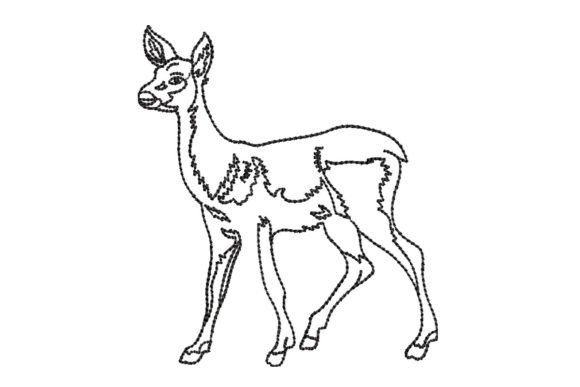
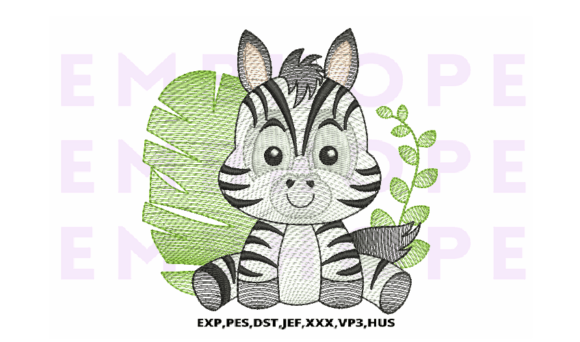
The immediate impression of the Jungle Animal Zebra is one of playful innocence. Falling under the Baby Animals category, this design exudes a cozy, nostalgic charm that appeals directly to parents and gift-givers. The lines are soft, avoiding harsh geometric extremes, which gives it a hand-drawn, storybook quality. For seasonal use, this "cute" factor is incredibly versatile. While zebras are not traditionally associated with winter holidays like Christmas, their black-and-white contrast pairs beautifully with modern, minimalist holiday aesthetics. Think of a monochrome winter wonderland theme or a neutral nursery decor trend that remains popular year-round.
The emotional tone is gentle and welcoming. It does not scream for attention but rather invites a closer look. This makes it ideal for products where subtlety is key, such as high-end baby showers or sophisticated home decor. The detail level is balanced; it is intricate enough to show quality craftsmanship but simple enough to stitch quickly, which is crucial for maintaining profit margins during the busy holiday rush.
Performance in Real Holiday Selling Situations
When planning a seasonal shop collection, versatility is king. The Jungle Animal Zebra performs exceptionally well across a variety of product types. Here is how I envision this embroidery file working in real-world sales scenarios:
- Sweatshirt Embroidery: Placed on the left chest of a cream or oatmeal-colored sweatshirt, this zebra creates a trendy, understated look. It works perfectly for "mommy and me" matching sets, a huge seller during the holiday season.
- Tote Bag Design: Canvas tote bags are staple gifts. The bold contrast of the zebra stands out against natural cotton canvas, making it a practical yet stylish accessory for school or grocery runs.
- Kitchen Towel Embroidery: For a rustic or farmhouse-style kitchen, stitching this design on the corner of linen towels adds a touch of whimsy. It transforms a basic household item into a thoughtful housewarming or hostess gift.
- Pillow Cover Accents: A single zebra centered on a neutral throw pillow can anchor a child’s room decor. It allows customers to buy into a theme without committing to a full wallpaper change.
- Embroidered Patch: If you offer patches, this design is compact enough to be ironed onto denim jackets or backpacks, appealing to older children and teens who want a subtle nod to animal lovers.
For Etsy sellers, this design offers excellent potential for printable mockup creation. The clear outlines make it easy to visualize on various backgrounds, helping you create compelling social media previews that drive engagement. Whether you are bundling it with other safari animals for a "Jungle Party" theme or selling it as a standalone personalized gift option, the visual recognition is strong.
Strategic Placement and Technical Considerations
While the design is charming, successful execution requires attention to technical details. As a professional, I must advise caution in certain applications. The stitch density appears moderate, which is generally good for stability, but you must consider the fabric texture and hoop size constraints.
When working with thick towels or plush fleece, ensure you are using an appropriate cut-away stabilizer to prevent puckering. The zebra’s stripes rely on clean separation between thread colors; if the fabric is too textured or the stabilizer insufficient, those fine details may blur. Additionally, be mindful when stitching on stretchy garments like baby onesies. Without proper hooping technique, the design may distort after washing.
Dark fabrics present another challenge. Since the zebra is primarily light with black accents, stitching it on navy or black fabric will require careful planning. You may need to adjust your thread colors or add an underlay to ensure the lighter parts of the zebra pop against the dark background. Always test stitch on a scrap piece of your actual production fabric before committing to a full batch of finished product inventory.
Enhancing Seasonal Appeal and Brand Consistency
Incorporating Jungle Animal Zebra into your lineup can significantly boost buyer emotion and product value. During the holidays, shoppers are often overwhelmed by traditional red and green motifs. Offering a neutral, animal-themed alternative allows you to capture the market of buyers looking for something different yet still festive. It signals that your brand is thoughtful and curated.
This design also supports brand consistency if your shop focuses on nature-inspired or children’s items. By using consistent thread colors across your collection—perhaps pairing the zebra with other Baby Animals in a similar palette—you create a cohesive visual identity. This helps build customer trust, as buyers recognize the quality and style of your work instantly. Furthermore, because the design is inherently cute, it encourages impulse buys, especially when marketed as part of a limited-time drop or a gift bundle.
Practical Designer Notes for Production
To ensure the highest quality results with this digital embroidery file, follow these practical steps before listing your items for sale:
- Test Thread Colors: Always run a test stitch on both light and dark fabrics. Verify that the contrast between the black and white (or cream) threads is sharp and distinct.
- Check Stitch Density: Review the density settings in your software. If the design feels too stiff on lightweight fabric, consider reducing the density slightly to maintain drape.
- Confirm Hoop Size: Ensure the design fits comfortably within your standard hoop sizes. Leaving adequate margin around the design prevents hoop burns and makes finishing easier.
- Use Proper Stabilizer: Match your stabilizer to your fabric. Use tear-away for woven stable fabrics and cut-away for knits and stretchy materials.
- Create Realistic Mockups: Invest time in creating high-quality photos or digital mockups that show the texture of the stitches. This helps manage customer expectations and reduces returns.
- Review Small Details: After stitching, inspect the finer points of the zebra’s mane and eyes. Trim any jumps or loose threads meticulously to ensure a premium look.
- Plan Matching Color Palettes: Consider offering variations. While the classic black and white is standard, have you considered pastel threads for a spring Easter collection? Versatility increases sales.
- Confirm Commercial Licensing: Before selling any commercial embroidery products, always verify the license terms provided with the file. Ensure you have the right to sell finished goods made with this design.
Please note that the quality can not be guaranteed when variables such as machine tension, needle type, and fabric choice are not optimized. It is essential to check these details before use. If the product description does not specify exact stitch count, file format, or hoop size, reach out to the designer or check the included documentation to ensure compatibility with your equipment.
Final Verdict for Small Shop Owners
The Jungle Animal Zebra is a solid addition to any small shop product lineup, particularly for those targeting the baby and children’s market. Its adaptability across various items—from tote bag design applications to delicate kitchen towel embroidery—makes it a cost-effective asset. By paying attention to the technical nuances of Embroidery production and leveraging its cute, neutral aesthetic, you can create standout items that resonate with holiday shoppers looking for unique, heartfelt gifts. Remember, the success of the final product lies not just in the design itself, but in the care and precision you apply during the stitching process.