Mylar Baby Ducks: A Designer's Review for Real Projects
As an embroidery designer who spends more time at the hoop than away from it, I am always on the lookout for design assets that offer both charm and technical reliability. Recently, I came across Mylar Baby Ducks on Creative Fabrica, a collection that immediately caught my eye for its playful potential. With twelve unique designs in the set, this collection sits firmly in the Baby Animals category but offers enough versatility for much more than just nursery decor. In this review, I will break down how these files perform in real-world scenarios, from custom apparel to boutique merchandise, helping you decide if they are the right fit for your next commercial embroidery project.
First Impressions and Visual Mood
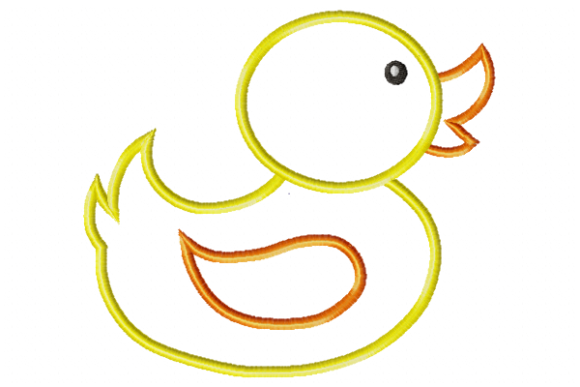
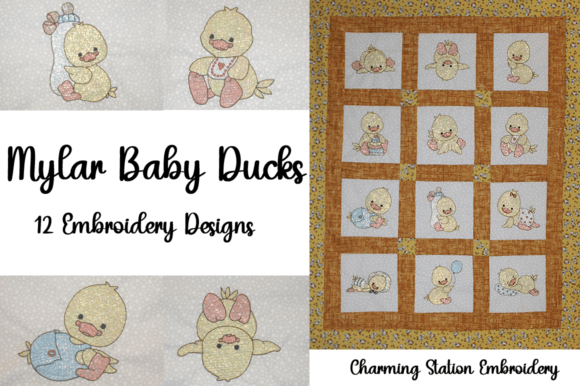
The moment you preview the Mylar Baby Ducks collection, the mood is undeniably cheerful and soft. These are not generic duck outlines; they possess a distinct personality that suggests high-quality digitizing. The optimization for Mylar is a standout feature here. Mylar embroidery adds a reflective, shiny dimension that can make flat designs pop, but it requires precise stitching to avoid bulk or misalignment. These designs appear to balance that need perfectly, suggesting a thoughtful approach to stitch density and layering.
Visually, the set leans towards a cute, rounded aesthetic that appeals strongly to the baby and children's market. However, do not let the "cute" factor fool you into thinking these are limited to infant wear. The simplicity of the shapes makes them adaptable for custom apparel for adults who appreciate whimsical motifs, as well as for home goods like kitchen towels and pillow covers. The decorative appeal lies in their ability to look finished and professional without requiring excessive thread counts that might weigh down lightweight fabrics.
Performance in Real Embroidery Projects
When considering a new embroidery file for client work, I always simulate how it will look on various substrates. For Mylar Baby Ducks, the applications are extensive. Imagine these little ducks adorning a canvas tote bag design; the Mylar element would catch the light beautifully, making the bag a statement piece for a spring market. Similarly, on a fleece sweatshirt embroidery project, the reflective foil could provide a striking contrast against the matte texture of the fabric.
For those running an Etsy shop or selling at craft fairs, this set is a goldmine for creating cohesive collections. You could easily create a series of handmade products ranging from burp cloths to bibs, utilizing different ducks from the twelve-design set to offer variety while maintaining brand consistency. They are also ideal for embroidered patch production. If you plan to cut these out as patches, the defined edges suggested by the preview images indicate they would hold up well under a merrow border or a tight satin finish.
In the realm of commercial embroidery, speed and reliability are key. While I cannot confirm the exact stitch count or specific hoop size requirements without downloading the file (as these details vary by vendor), the description implies they are optimized for efficiency. This makes them suitable for multi-head machines where you might be running a batch of baby blankets or nap mats. The fact that there are twelve designs means you can fill a large hoop with multiple instances of the pattern, maximizing your machine time and output.
Technical Considerations and Fabric Challenges
Working with Mylar introduces specific technical challenges that every embroiderer must respect. Before committing to a final finished product, it is crucial to test on scrap fabric. Mylar can be tricky on stretchy fabrics or textured materials like terry cloth. If you are applying these ducks to a dark fabric, ensure your thread colors provide enough contrast, as the foil itself may not show up vividly against black or navy without a strong underlay or bright surrounding stitches.
Small hoop sizes are often necessary for baby items, and curved surfaces like caps require extra attention. If you intend to place a Mylar Baby Ducks design on a cap, verify that the digitizing accounts for the curvature to prevent distortion. Additionally, products that need frequent washing, such as aprons or kitchen towels, demand robust stitching. Check the stitch density carefully; if the fill areas are too sparse, the Mylar might shift or tear over time. Conversely, if the density is too high, the fabric could pucker.
Stabilizer choice is non-negotiable here. For lightweight baby garments, a cut-away stabilizer is often safer than tear-away to support the weight of the foil and the stitching long-term. Always inspect small details after stitching, especially where the Mylar meets the edge of the design. A clean trim is essential for a professional look, particularly if you are selling these as personalized gifts where customers expect perfection.
Enhancing Product Value and Brand Trust
Incorporating unique elements like Mylar can significantly affect your product value. Customers perceive reflective, textured embroidery as premium, which can justify a higher price point for your handmade product listings. When used consistently, these designs help build buyer trust; they signal that you invest in quality design assets and care about the visual presentation of your goods.
Furthermore, the photogenic nature of Mylar makes it excellent for printable mockup creation and social media content. The way the light hits the foil creates dynamic images that stop the scroll, driving higher customer engagement. Whether you are updating your boutique merchandise or launching a new line of nursery decor, the visual appeal of these ducks can be a powerful marketing tool.
Final Verdict for Designers
Mylar Baby Ducks represents a solid investment for embroidery designers looking to expand their portfolio with seasonal or perennial best-sellers. The combination of a popular theme (baby animals) with a specialty technique (Mylar) offers a competitive edge. However, as with any digital embroidery file, due diligence is required. I strongly advise checking the specific product details on the Creative Fabrica page regarding file formats, machine compatibility, and license terms before selling finished items. Ensure the license covers commercial use if you plan to sell the physical goods.
If you are ready to add some sparkle to your applique design repertoire or simply want to elevate your standard satin stitch and fill stitch projects, this set is worth exploring. Just remember to run your tests, choose your stabilizers wisely, and let the charm of these little ducks bring a smile to your customers' faces.