Diagonous G: A Designer’s Review for Custom Gifts
As an embroidery designer who spends countless hours digitizing and testing patterns, I approach every new machine embroidery design with a critical eye. It is not just about how the file looks on the screen; it is about how it performs on fabric, how it appeals to customers, and whether it holds up under the stress of daily use. Recently, I had the opportunity to test Diagonous G, a vibrant and geometric take on lettering that falls under the Shapes category of digital embroidery assets. After running it through my standard quality checks and mockup phases, I am ready to share my insights for fellow crafters, Etsy sellers, and small business owners looking to elevate their personalized gift offerings.
First Impressions: Modern Geometry Meets Playful Charm
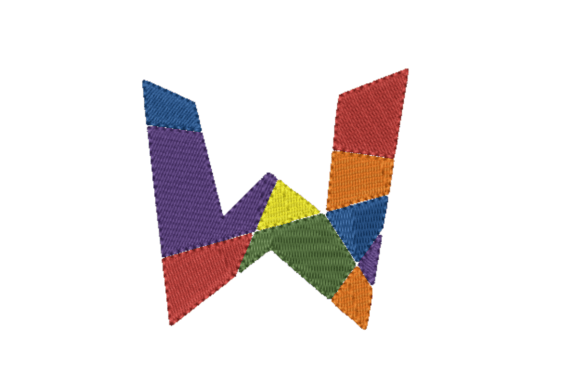
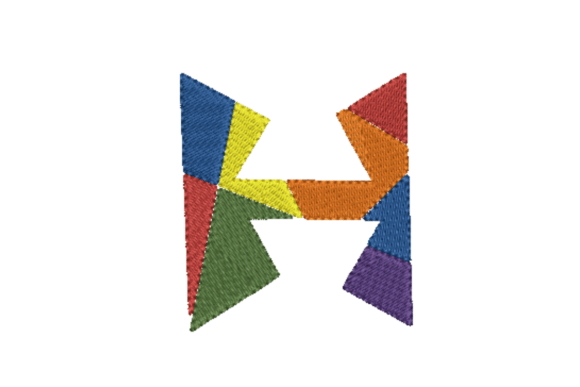
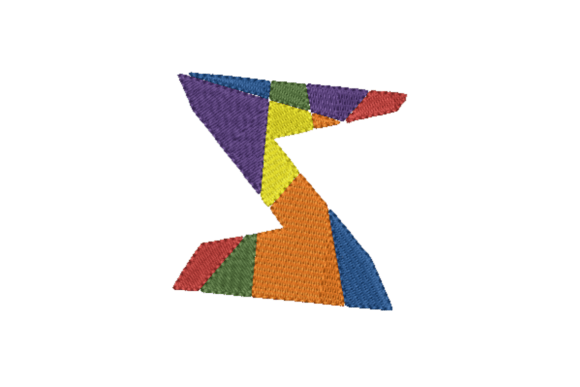
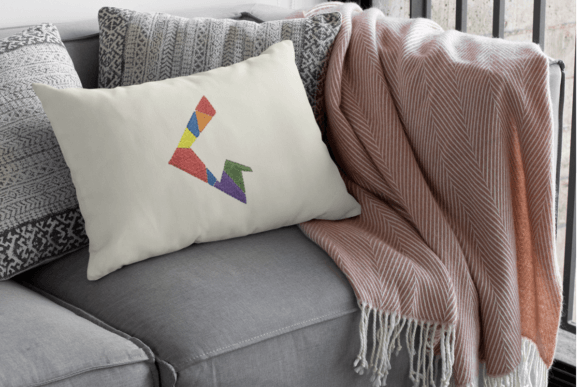
The first thing that strikes you about Diagonous G is its energy. Unlike traditional serif or script monograms that lean heavily into elegance or romance, this design embraces a modern, playful aesthetic. The letter G is constructed using diagonal shapes in primary and secondary colors, creating a dynamic visual rhythm. This choice of color palette and geometry gives the design a distinct mood—it feels cheerful, contemporary, and undeniably handmade without appearing amateurish.
For a personalized gift shop, this versatility is crucial. While some customers seek the softness of floral motifs for baby showers, others are looking for something bold and graphic. Diagonous G bridges that gap. It has enough structure to feel designed and intentional, yet the use of bright thread colors keeps it approachable and fun. It does not scream "seasonal," which means it is a year-round seller, but its vibrancy makes it particularly appealing for spring collections, back-to-school items, or gender-neutral baby gifts.
Real-World Applications for the Modern Crafter
When planning your product line, consider where this specific aesthetic shines. I tested Diagonous G on several common substrates to see where it would perform best as a finished product. Here is how it translates across different categories:
- Baby Embroidery: The geometric nature of the design works beautifully on nursery decor. Imagine this stitched onto a muslin swaddle or a felt banner. The clean lines contrast nicely with the softness of baby textiles, offering a modern alternative to pastel-heavy designs.
- Kitchen and Home Textiles: An embroidered towel featuring Diagonous G makes for a fantastic housewarming gift. The bold colors stand out against white or neutral linen, adding a pop of personality to a functional item.
- Tote Bags and Aprons: For the DIY enthusiast or the professional chef in your life, custom embroidery on canvas totes or cotton aprons adds significant perceived value. The diagonal shapes create movement that looks excellent on larger surface areas.
- Wedding and Family Keepsakes: While not traditionally romantic, this design is perfect for modern couples or blended families. It can be used for "Guest" towels or personalized pillow covers that add a contemporary touch to a living room.
For Etsy sellers and digital product creators, the appeal lies in the customization potential. Buyers love seeing their initials transformed into art. Diagonous G allows you to offer a personalized gift that feels unique and tailored, rather than mass-produced.
Navigating Fabric Texture and Stitch Density
From a technical standpoint, working with geometric shapes requires attention to detail. The diagonal lines in Diagonous G mean that stitch direction plays a vital role in the final appearance. When I reviewed the embroidery file, I noted that the transition between the primary and secondary colors needs precise tension settings to avoid gaps or overlapping threads that could bulk up the design.
Fabric texture is another critical variable. On smooth cotton or polished polyester, the diagonal shapes will appear crisp and defined. However, on textured fabrics like terry cloth towels or waffle-weave blankets, the finer details might get lost. If you are stitching on a thick towel, ensure your stitch density is appropriate. Too dense, and the towel will pucker; too sparse, and the underlying fabric will show through the colorful diagonals, breaking the visual continuity.
I also recommend being cautious with stretchy fabrics. Baby clothes often utilize knits that move with the body. Without the correct stabilizer, the diagonal lines could distort after washing. Always use a cut-away stabilizer for garments that will undergo frequent laundering to maintain the integrity of the shape.
Enhancing Giftability and Customer Trust
Why does the choice of design matter for your bottom line? It comes down to perceived value. A well-executed handmade product signals care and quality. When a customer receives a blanket embroidery piece featuring Diagonous G, the clean lines and vibrant color blocking suggest a high level of craftsmanship. This builds trust and encourages repeat business.
Furthermore, this design photographs exceptionally well. The contrast between the primary and secondary colors creates natural focal points for product photography. For online sellers, this is invaluable. A sharp, colorful image of a pillow cover or tote bag stops the scroll on social media platforms. It invites engagement and helps buyers visualize the item in their own homes. By offering a design that is visually striking, you are not just selling an item; you are selling an aesthetic experience.
Practical Tips for Testing and Production
Before you list Diagonous G as a small shop product or include it in your commercial embroidery portfolio, I strongly advise following these practical steps to ensure consistency:
- Test on Scrap Fabric: Never run a new design directly on customer goods. Stitch it out on the exact fabric type you plan to sell. Check for puckering, thread breaks, or color bleeding.
- Check Thread Color Contrast: Since the design relies on primary and secondary colors, ensure your thread library matches the intended vibrancy. Dull threads will flatten the geometric impact.
- Confirm Hoop Size: Verify that the design fits comfortably within your machine’s hoop size without needing excessive re-hooping, which can lead to misalignment.
- Review File Formats: The product description notes that Diagonous G comes with multiple embroidery file formats compatible with various machines. Ensure you are using the format optimized for your specific brand (e.g., PES, DST, JEF) to avoid conversion errors.
- Mockup Comparisons: Create digital or physical mockups on both light and dark fabrics. The diagonal shapes may need outline adjustments or underlay changes when moving from white cotton to navy denim to ensure visibility.
- Licensing Verification: If you are selling finished products, confirm the commercial licensing terms associated with the digital embroidery file. Most designers allow sales of physical items, but restrictions on sharing the file itself are standard.
Final Thoughts on Diagonous G
In the world of custom embroidery, standing out requires a balance of technical precision and artistic flair. Diagonous G offers a refreshing departure from standard monograms, providing a modern, geometric option that appeals to a wide demographic. Whether you are creating a baby shower gift, a wedding present, or a stylish home accessory, this design delivers on both form and function.
By paying attention to fabric texture, stabilizer choices, and thread quality, you can transform this digital asset into a high-value finished product. For Etsy sellers and boutique owners, adding Diagonous G to your repertoire is a strategic move to capture customers looking for contemporary, personalized style. Embrace the diagonal, play with the colors, and watch your custom orders grow.