Monogram D: A Designer’s Review for Real Stitching
As a designer who has spent countless hours digitizing and stitching out machine embroidery design files, I have learned to look past the glossy promotional images. What matters is how a design behaves under the needle. When I first loaded Monogram D into my software, I was looking for versatility. In the world of Shapes and Embroidery, monograms are often treated as an afterthought, yet they are the backbone of personalized sales. This review breaks down how this specific design holds up in real-world applications, from boutique apparel to high-volume craft fair items.
First Impressions and Visual Personality
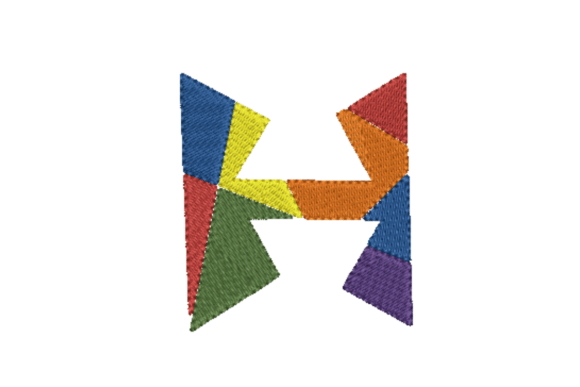
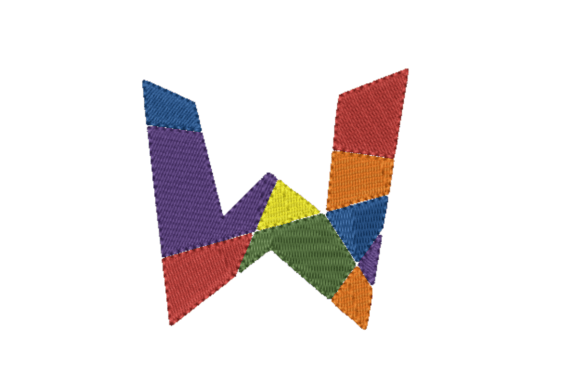
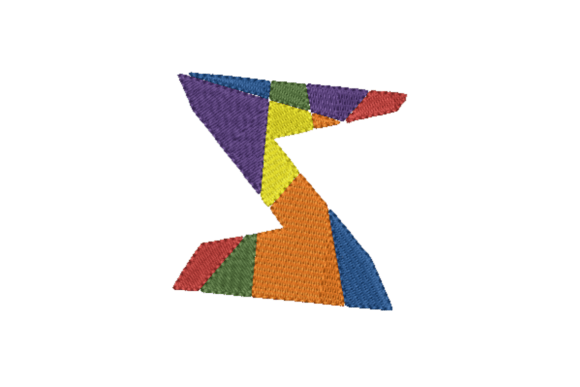
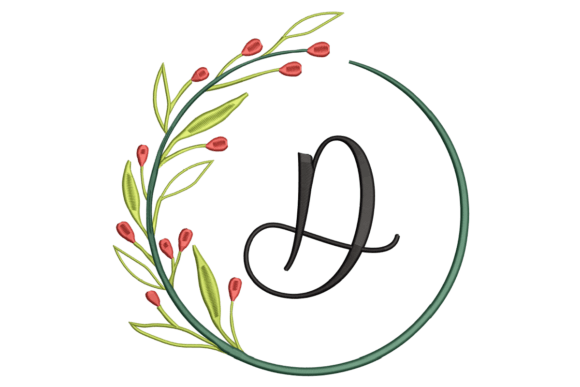
The immediate appeal of Monogram D lies in its balanced geometry. It does not scream for attention with overly complex flourishes, nor does it feel stark or unfinished. Instead, it offers a clean, classic silhouette that suggests professionalism. For a designer, this is crucial. A monogram must be legible at various sizes, and the structural integrity of the letter "D" in this file appears robust. The curves are smooth, which typically translates well to satin stitch execution without excessive thread breaks or puckering.
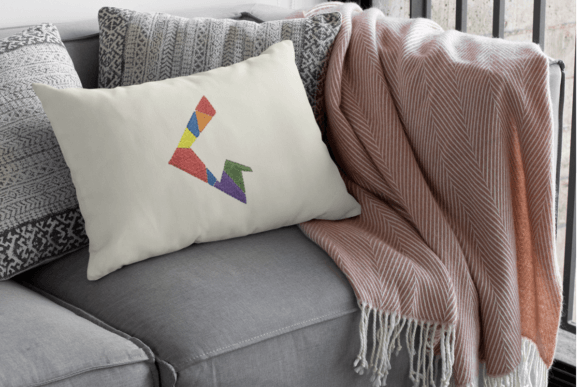
The mood it creates is one of understated elegance. It fits naturally into projects that require a touch of sophistication without being ostentatious. Whether you are branding a small business or creating a personalized gift, the visual personality of this design is adaptable. It feels at home on a crisp linen napkin just as much as it does on a heavy denim jacket. This adaptability is rare in free or low-cost embroidery file packages, where designs often lean too heavily toward one extreme—either too childish or too formal.
Real-World Application: The Custom Tote Bag Test
To truly evaluate Monogram D, I imagined a common scenario for many Etsy sellers and craft business owners: producing a batch of custom canvas tote bags. Canvas is a challenging fabric due to its weave and tendency to shift. I considered how the design would interact with the texture.
In this context, the design’s layout is advantageous. The open spaces within the letter allow the fabric texture to breathe, preventing the "cardboard effect" where dense stitching makes the fabric stiff and unyielding. If this design utilizes a combination of fill stitch for the body and running stitch for outlining, it would provide excellent durability for a item that gets thrown in the wash weekly. For a tote bag design, longevity is key. Customers expect their personalized items to last, and a poorly digitized monogram can unravel or distort after just a few uses. Monogram D appears to prioritize clarity, which usually correlates with better wearability.
Apparel and Stretch Fabrics
Moving from rigid canvas to soft knits, such as a sweatshirt embroidery project, the considerations change. Stretchy fabrics require careful handling of stitch density. If the design is too dense, it will pull the fabric, causing unsightly gathering around the letter. Based on the visual profile of Monogram D, it seems suitable for medium-weight fabrics. However, when applying it to a thin t-shirt or a stretchy baby onesie, I would strongly advise using a cut-away stabilizer to support the stitches. The design’s shape is simple enough that it should not cause significant distortion if stabilized correctly, making it a viable option for baby embroidery projects where comfort against the skin is paramount.
Navigating Technical Challenges
No design is perfect for every situation. There are specific scenarios where you should approach Monogram D with caution. First, consider the hoop size. While the description mentions it comes with multiple sizes, always verify the smallest version. Tiny details can get lost if the stitch count is too low for the reduced dimensions. If you are stitching on a curved surface, like a cap or hat, the center of the "D" might require additional stabilization to prevent shifting during the hoop-up process.
Another critical factor is fabric color. Light thread colors on dark fabrics can sometimes appear sparse if the underlying fabric shows through the stitches. Conversely, dark threads on light fabrics highlight every imperfection in tension. I recommend testing Monogram D on scrap fabric in both high-contrast and low-contrast combinations. If you are creating an embroidered patch, the backing material will hide any minor see-through issues, but for direct-to-garment work, your thread choice must complement the design’s density.
Commercial Viability and Brand Consistency
For commercial embroidery professionals, consistency is currency. You need a design that looks the same on the hundredth item as it did on the first. Monogram D offers a level of standardization that helps build brand trust. When customers see a clean, well-executed monogram, they perceive higher value. It elevates a basic handmade product into a boutique-quality item.
This design also serves well in digital previews. If you are selling digital embroidery file assets or creating printable mockup listings for your shop, the clean lines of this monogram render beautifully in photos. It photographs well because it lacks chaotic elements that can confuse the camera’s focus or lighting. This makes it an excellent choice for design assets intended for marketing materials.
Practical Designer Notes
Before you commit to a large production run or list this as a featured item in your small shop product lineup, follow these practical steps:
- Test on Scrap Fabric: Always stitch out a test piece on the exact fabric type you intend to use. Check for puckering or thread breaks.
- Check Stabilizer Compatibility: Match your stabilizer to the fabric weight. Use tear-away for stable woven fabrics and cut-away for knits.
- Verify License Terms: The product description states it helps add a personalized touch, but always confirm if the license allows for commercial sale of finished items. Never assume.
- Inspect Small Details: Zoom in on your machine’s screen or software to ensure there are no unnecessary jumps or trims that could slow down production.
- Contrast Testing: Stitch the design in black and white to judge its structural clarity before adding color complexity.
Final Verdict for Makers and Sellers
Monogram D is a solid addition to any designer’s library. It bridges the gap between decorative flair and functional simplicity. For holiday embroidery gifts, such as personalized stockings or aprons, it provides a timeless look that does not date quickly. For custom apparel, it offers a professional finish that customers appreciate.
While it may not be the most avant-garde design in the Shapes category, its strength lies in its reliability. It is a workhorse design that performs well across various embroidery project types. Whether you are a hobbyist making a finished product for a friend or an Etsy seller fulfilling orders, this design respects the material it is stitched on. It reminds us that good design is not just about aesthetics, but about how well it serves the maker and the end-user. By paying attention to fabric texture, proper hooping, and thread selection, you can maximize the potential of this versatile monogram.
In conclusion, if you are looking for a dependable, elegant, and versatile monogram to enhance your craft business offerings, Monogram D warrants a test stitch. It represents the kind of foundational design that supports a sustainable and professional creative practice.