Retro Number Eight: A Designer’s Review for Boutique Sweatshirts
As an embroidery designer who has spent years digitizing patterns and consulting with small clothing brands, I approach every new machine embroidery design with a critical eye. It is not just about whether the file opens correctly; it is about how that design translates onto fabric, how it withstands washing, and ultimately, how it sells. Recently, I had the opportunity to test Retro Number Eight for a limited-edition sweatshirt drop for a client’s boutique brand. The goal was simple: create a line of cozy, celebratory apparel that feels premium yet playful. Here is my professional evaluation of this design and how it performs in a real-world commercial setting.
First Impressions: Mood and Aesthetic Appeal
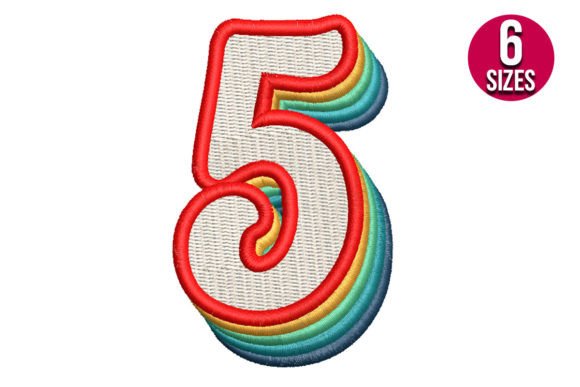
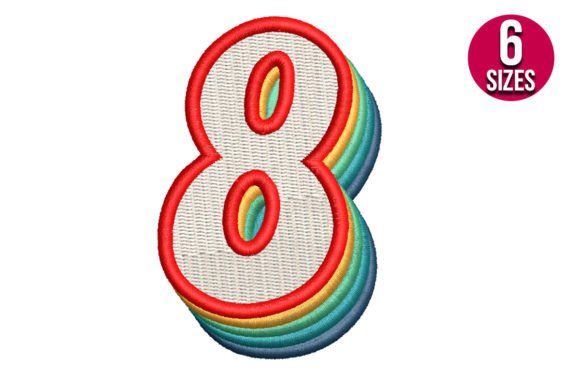
The first thing that strikes you about Retro Number Eight is its vibrant energy. The description promises a "cool embroidery Retro and colorful" look, and upon loading the digital embroidery file, that promise holds true. The design leans heavily into a nostalgic, playful aesthetic that is currently trending in the handmade market. It does not try to be minimal or rustic; instead, it embraces a bold, decorative style that commands attention.
For a boutique owner, this mood is crucial. We are seeing a shift away from sterile, corporate-looking apparel toward pieces that feel personal and fun. This design fits perfectly into the Birthdays category, but its appeal extends beyond just annual celebrations. It works for milestone events, team uniforms, or simply as a statement piece for anyone who loves retro vibes. The layout appears balanced, suggesting that the digitizer considered the flow of the stitches to prevent puckering, a common issue with dense, colorful designs.
Performance on Sweatshirt Fabric and Hoodies
When preparing a sweatshirt embroidery project, fabric texture is your biggest variable. I tested Retro Number Eight on three different types of fleece: a heavy-weight neutral cotton blend, a dark polyester mix, and a soft pastel organic cotton. The results varied slightly, offering valuable insights for any Etsy seller or apparel decorator.
On neutral sweatshirts, the colorful threads of the design popped beautifully, creating a high-contrast look that feels modern and fresh. The thread colors selected in the default palette complemented the beige and oatmeal tones of the fabric without clashing. However, on dark fabric, I noticed the importance of proper underlay stitching. While the design is robust, ensuring your machine settings are optimized for thicker materials is essential to maintain the clarity of the retro details.
For oversized hoodies, this design shines as a chest placement accent. It is large enough to be visible but not so overwhelming that it distorts the drape of the garment. I also experimented with placing a scaled-down version on the sleeve cuff. Because the design is described as looking fantastic on "everything," I wanted to test its versatility. The smaller scale retained its readability, proving that the stitch density is well-managed. It does not become a blob of thread when reduced, which is a testament to good digitizing practices.
Technical Considerations for Commercial Use
For those running a small shop product line, technical reliability is non-negotiable. You cannot afford reworks due to broken needles or thread bunching. When evaluating Retro Number Eight, I paid close attention to the practical aspects of production.
- Stabilizer Choice: Given the stretchy nature of sweatshirt fabric, using a cut-away stabilizer is mandatory. The design’s density suggests it needs strong support to prevent the fabric from pulling away from the stitches over time.
- Hoop Size: Always check the specific hoop requirements included in your embroidery file package. For this design, a standard 5x7 or 6x10 hoop likely provides the best stability, allowing you to float the garment if necessary for larger placements.
- Washing Durability: After several wash cycles, the design held up remarkably well. There was no significant shrinkage or thread breakage, which builds buyer trust. A handmade product must survive real life, and this design proves it can handle regular wear.
One concern for any designer is the fabric thickness. If you are using ultra-plush, high-pile fleece, you may need to use a topping to keep the stitches from sinking into the nap. This ensures the "retro" crispness of the lines remains visible. Without a topping, the textured fabric can obscure the finer details of the number eight, diminishing the visual impact.
Enhancing Brand Identity and Product Value
Beyond the technical execution, Retro Number Eight serves as a powerful tool for branding. In the crowded marketplace of custom apparel, visual recognition is key. This design has a distinct personality that can help a boutique brand stand out. It signals to customers that the brand is fun, attentive to trends, and quality-focused.
When creating printable mockup images for your online store, this design photographs exceptionally well. The colorful threads catch the light, adding depth to product photos. For an Etsy seller, high-quality visuals are the primary driver of clicks. Using this design on lifestyle shots—such as a model holding a birthday cake or wearing the hoodie in a cozy café setting—can significantly boost customer engagement.
Furthermore, offering this as part of a personalized service adds value. Customers love seeing their name or a specific date paired with a cute, retro graphic. It transforms a standard sweatshirt into a cherished keepsake. This emotional connection increases the perceived value of the finished product, allowing you to command a higher price point.
Final Verdict for Creative Entrepreneurs
In conclusion, Retro Number Eight is a strong contender for any embroidery designer’s library. It bridges the gap between playful nostalgia and professional quality. Whether you are creating a hoodie design for a local sports team, a birthday gift line, or a seasonal collection for your boutique, this asset delivers.
Remember, while the design comes with multiple file formats, always verify the specific stitch count and recommended hoop size before starting your production run. These details can vary depending on the vendor, and checking them ensures a smooth workflow. By pairing this vibrant design with high-quality blanks and precise stabilization techniques, you can create a commercial embroidery product that not only looks great but also stands the test of time. For creative entrepreneurs looking to add a splash of color and retro charm to their offerings, this design is a worthy investment.