Skeleton of a Mermaid Cat: A Designer’s Review
As an embroidery designer who spends countless hours digitizing and testing files for commercial use, I am always on the lookout for designs that offer both whimsical charm and technical reliability. Recently, I came across Skeleton of a Mermaid Cat on Creative Fabrica, and it immediately caught my eye. The concept is delightfully quirky—a fusion of feline grace, skeletal aesthetics, and mermaid mythology. For those of us in the handmade community, finding a design that stands out in a saturated market is crucial. This review explores whether this specific machine embroidery design holds up under the scrutiny of real-world production, from Etsy listings to craft fair displays.
First Impressions and Visual Appeal
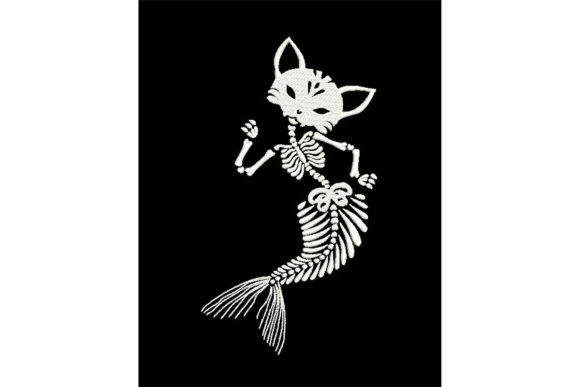
The first thing you notice about Skeleton of a Mermaid Cat is its unique narrative potential. It is not just a standard animal portrait; it tells a story. The visual mood strikes a balance between spooky and cute, making it versatile for various seasons. While it naturally fits into Halloween collections, the whimsical nature of a "mermaid cat" allows it to transcend seasonal boundaries, appealing to fans of fantasy, gothic cottagecore, and unique pet lovers year-round.
From a design perspective, the interplay of lines suggests a mix of stitch types. Typically, skeletal structures in embroidery rely heavily on precise running stitch or fine satin stitch work to define bones without creating bulk. The mermaid tail component likely utilizes fill stitch techniques to create volume and texture, mimicking scales or fins. This combination of delicate line work and textured fills is what gives the design its decorative appeal. It feels like a piece of art rather than a generic clipart conversion, which is essential when you are aiming for high perceived value in your finished product.
Practical Applications for Handmade Products
When evaluating a new embroidery file, I always ask myself: "Where does this belong?" Skeleton of a Mermaid Cat is surprisingly adaptable. Here is how I envision it performing in real projects:
- Custom Apparel: This design would look fantastic on the back of a denim jacket or the chest of a black sweatshirt. The contrast of white or neon threads against dark fabric would make the skeleton elements pop, creating a striking sweatshirt embroidery piece that appeals to alternative fashion buyers.
- Tote Bags and Canvas Items: As a tote bag design, it adds a playful touch to everyday carryalls. Canvas provides a stable base for the stitch density, ensuring the design remains crisp after repeated use.
- Embroidered Patches: Because of its self-contained shape, this motif is ideal for creating an embroidered patch. You can stitch it out on twill, cut it out, and apply it to hats, backpacks, or jeans. This expands your product line without requiring you to embroider directly onto difficult garments.
- Nursery and Home Decor: For a softer approach, using pastel thread colors on a pillow cover or baby blanket can transform the skeletal aspect into something more illustrative and less macabre. It becomes a whimsical character study suitable for personalized gift markets.
Technical Considerations for Embroidery Designers
While the aesthetic is strong, the technical execution is where many designs fail. When working with Skeleton of a Mermaid Cat, there are several practical factors to consider before launching into a large production run.
Fabric Selection and Stabilization
The success of this design largely depends on your choice of materials. Skeletal details require precision. If you are stitching on stretchy fabric like jersey or fleece, proper stabilization is non-negotiable. I recommend using a cut-away stabilizer for garments that will be washed frequently, as it provides lasting support for the stitches. For woven fabrics like cotton or linen, a tear-away stabilizer might suffice, but always test first. The "right selection of materials," as noted in the product description, ensures that the fine lines of the skeleton do not distort or pucker the fabric.
Stitch Density and Detail
One concern with intricate designs is stitch density. If the fill areas in the mermaid tail are too dense, they can cause the fabric to pull or the needle to break. Conversely, if the density is too low, the fabric may show through, ruining the visual impact. Before committing to a customer order, stitch out a test sample on scrap fabric similar to your final product. Check the small details after stitching. Are the bones clearly defined? Is there any thread bunching? These inspections are vital for maintaining quality control in commercial embroidery.
Color Contrast and Thread Choices
The product description mentions that you can choose the color scheme at your discretion. This flexibility is a huge advantage. However, it also places the responsibility on you, the designer, to make smart choices. High contrast is key for the skeleton elements. White or silver thread on dark navy or black fabric creates a classic, eerie look. For a more vibrant, fantasy-inspired look, consider using variegated threads in the tail to mimic the iridescence of fish scales. Always review thread color contrast on your machine’s screen or in a printable mockup before stitching to ensure readability.
Enhancing Product Value and Brand Consistency
In the world of Etsy sellers and small business owners, presentation is everything. Using a unique design like Skeleton of a Mermaid Cat can significantly boost your brand’s identity. It signals to customers that you offer curated, artistic design assets rather than mass-produced generics. This uniqueness fosters buyer trust and encourages engagement. When customers see a well-executed, imaginative design, they are more likely to perceive the item as a high-quality handmade product worth the price point.
Furthermore, this design lends itself beautifully to product photography. The intricate details allow for close-up shots that highlight the craftsmanship of your stitching. Whether you are creating content for social media or updating your online shop, a visually interesting subject like a mermaid cat skeleton captures attention and stops the scroll. This increased visual appeal can lead to higher click-through rates and, ultimately, more sales.
Licensing and Commercial Use
Before you start listing items on your store, it is imperative to confirm the licensing terms. Creative Fabrica typically offers generous commercial licenses, but specifics can vary by designer. The product description states that this embroidery will decorate your clothes and interior items, implying commercial viability for finished goods. However, always check the specific product page for Skeleton of a Mermaid Cat to confirm file details and licensing restrictions. Ensure you understand whether you can sell the digital file itself (usually prohibited) or only the physical finished product (usually allowed). Protecting your business starts with respecting intellectual property rights.
Final Verdict
After reviewing Skeleton of a Mermaid Cat from the perspective of an experienced embroidery designer, I find it to be a compelling addition to any creative entrepreneur’s library. It offers a blend of whimsy and edge that is currently trending in the handmade market. While it requires careful attention to stabilizer choice and thread contrast to ensure the best results, the potential for creating standout custom apparel, home decor, and accessories is high.
For those looking to diversify their Creative Fabrica embroidery portfolio with something that sparks conversation and showcases technical skill, this design is worth considering. Just remember to test, stabilize, and verify your license. With the right approach, this charming feline fantasy can become a staple in your shop, delighting customers who appreciate the unique intersection of cats, mythology, and embroidery art.