Mahjong Green Tile: A Designer’s Review for Business Merch
As an embroidery designer who has spent years digitizing logos and creating custom assets for small businesses, I approach every new machine embroidery design with a critical eye. It is not just about whether a design looks pretty on a screen; it is about how it performs in the real world of commercial production. Recently, I evaluated the Mahjong Green Tile to determine its viability for branded merchandise, staff uniforms, and boutique product lines. This review focuses on practical application, stitch quality, and brand alignment for entrepreneurs looking to elevate their visual identity through high-quality Embroidery.
First Impressions: Visual Personality and Professionalism
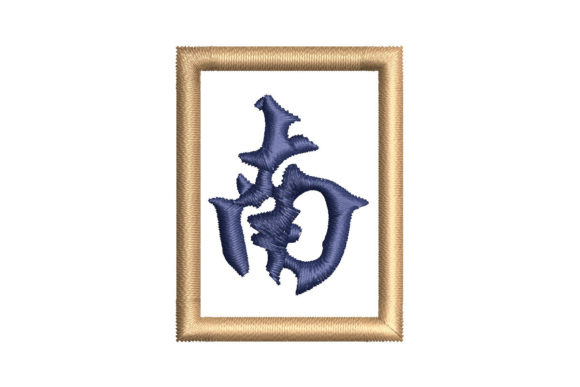
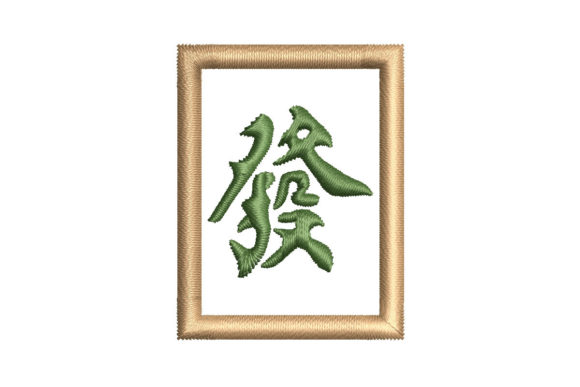
The first thing that strikes me about the Mahjong Green Tile is its clean, iconic aesthetic. In the realm of Games themed merchandise, there is often a risk of designs appearing too cartoonish or cluttered. However, this design leans into a more modern, minimalist interpretation of the classic mahjong tile. The fact that the background is not filled, except for the border, is a significant design choice that appeals to contemporary tastes. It feels premium rather than playful, which makes it versatile for a wider range of business types beyond just gaming cafes.
For a boutique owner or a creative studio, this design exudes a sense of curated elegance. It is decorative enough to stand out as a focal point but restrained enough to serve as a subtle brand accent. The open background reduces bulk, which is crucial when aiming for a professional finish on garments like button-down shirts or lightweight tote bags. It does not scream "novelty item"; instead, it suggests a thoughtful, handmade product that respects the material it is stitched onto.
Real-World Applications for Small Business Merch
When considering where to deploy the Mahjong Green Tile, I immediately think of its potential in small business merch strategies. Here is how this design performs across various commercial applications:
- Branded Patches: This is arguably the strongest use case. Because the background is open, the patch can be cut close to the border, creating a sleek, die-cut look. These patches can be sold as standalone accessories or used to upgrade plain denim jackets and canvas bags, adding immediate value to a handmade product line.
- Café and Boutique Uniforms: For a café with an Asian-fusion theme or a boutique selling curated lifestyle goods, this design works beautifully on aprons. The apron embroidery market is huge, and a single, well-placed tile on the chest pocket area serves as a sophisticated logo alternative. It avoids the heaviness of full-back prints, keeping the uniform breathable and comfortable for staff.
- Cap Embroidery: The structured nature of a mahjong tile translates well to the curved front panel of a baseball cap. However, placement is key. The design must be centered perfectly to maintain symmetry. When done correctly, it becomes a trendy, streetwear-inspired element that appeals to younger demographics.
- Tote Bag Design: Canvas totes are staples for eco-friendly brands. The Mahjong Green Tile provides a striking contrast against natural beige canvas. The green hue typically associated with these tiles pops vibrantly, making the bag an eye-catching marketing tool for customers carrying it around town.
Technical Considerations and Production Notes
While the aesthetic is strong, any experienced embroiderer knows that technical execution determines the success of a commercial embroidery project. The description notes that the files are tested prior to release, which is a reassuring sign for buyers of a digital embroidery file. However, there are specific factors you must evaluate before running a large batch.
Stitch Density and Fabric Texture: Since the background is not filled, the stitch density is likely concentrated in the border and the character/symbol within the tile. This is generally positive, as it prevents puckering on lightweight fabrics. However, on textured fabrics like terry cloth towels or thick wool coats, you must ensure the border stitches are dense enough to bridge the gaps in the fabric weave. Always test on your specific material.
Stabilizer Selection: For items that will undergo frequent washing, such as staff uniforms or customer gifts, using the correct stabilizer is non-negotiable. I recommend a medium-weight cut-away stabilizer for garments to ensure the design retains its shape over time. For patches, a tear-away might suffice during production, but if the patch is meant to be durable, consider backing it with heat-seal adhesive after stitching.
Hoop Size and Placement: Before purchasing, confirm the recommended hoop size. While mahjong tiles are generally square and compact, ensure the dimensions fit your standard hoop setups, especially if you are using multi-needle machines for high-volume orders. If the design is too large for a standard 4x4 hoop, it may limit your ability to place it on smaller items like sleeve cuffs or hat panels.
Brand Identity and Customer Trust
Incorporating the Mahjong Green Tile into your product line is not just about decoration; it is a strategic move for brand identity. Consistency in visual assets builds trust. If your brand values tradition, strategy, or community—themes often associated with mahjong—this design reinforces those narratives subtly. It signals to customers that attention to detail is a priority.
Furthermore, high-quality embroidery elevates the perceived value of the finished product. A well-stitched tile on a tote bag or shirt feels luxurious compared to a printed graphic. It tangibly demonstrates craftsmanship, which can justify higher price points for your custom apparel or accessories. For Etsy sellers and crafters, this differentiation is vital in a saturated market.
Where to Use Caution
Despite its versatility, there are scenarios where this design requires careful handling. Avoid using it at extremely small sizes where the internal details of the tile might merge or become indistinct. If the design includes fine lines or small characters, verify the legibility at your intended scale. Additionally, on dark uniforms, ensure you have high-contrast thread colors available. While green is vibrant, it may get lost on navy or black fabrics unless outlined with a lighter color or backed with a white underlay.
Also, be mindful of curved surfaces. While caps are a great option, sewing a rigid square shape onto a highly curved panel can cause distortion if the digitizing does not account for pull compensation. Always create a printable mockup or run a physical sample before committing to a full production run.
Final Verdict for Designers and Business Owners
The Mahjong Green Tile is a robust addition to any designer’s library of design assets. It bridges the gap between niche interest and mainstream aesthetic appeal. For small business owners, it offers a unique way to brand merchandise without relying on generic text logos. Whether you are creating embroidered patch collections, upgrading staff attire, or launching a new line of accessories, this design holds up under scrutiny.
Before finalizing your order, I advise checking the specific file formats provided to ensure compatibility with your machine software. Confirm the commercial licensing terms to ensure you are covered for resale items. Test the design in black and white first to check for clarity, and always compare it beside your other brand elements to ensure visual consistency. With proper execution, the Mahjong Green Tile can become a signature element of your brand, driving engagement and showcasing the quality of your craft.